Project ‘The Kingdom’s Treasury’

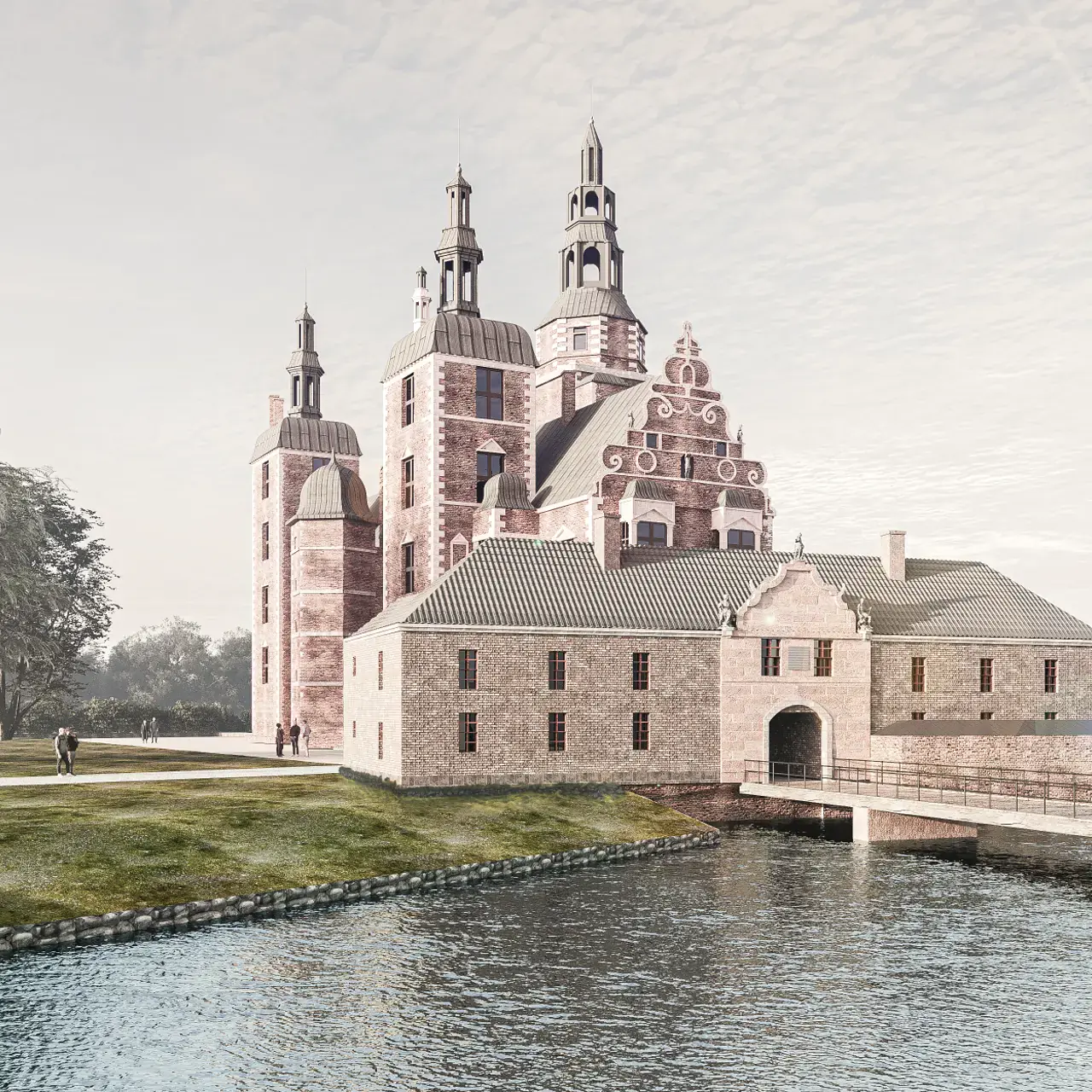
Rosenborg Castle adds a new underground treasury, creates a new exhibition space for the large collection of historical clothing and other objects and reinterprets the castle moat. Furthermore, the castle will be updated with modern facilities to welcome the over 500,000 people visit every year.

The project is made possible by donations from the A.P. Moller Foundation and the Augustinus Foundation and a grant from the Danish state.

Rosenborg Castle is one of the buildings that define the Copenhagen cityscape and our common perception of Danish royal history. The Kingdom’s Treasury undertakes the most extensive renewal of the castle in modern time, with full respect for this protected work of architecture.

The new treasury presents the most significant royal artefacts, including historical clothing and the crown jewels and regalia, in an atmospheric underground universe, where visitors will be able to see a much larger share of the collections than today.

The historic moat of Rosenborg Castle is being recreated

Until the 18th century, the castle was like an island outside of the city, and this dramatic architectural effect will now be restored. The return of the water, in one form or another, will add new impact to the castle’s expression and storytelling capacity. Arriving visitors will cross over a new bridge that stages the transition from the urban pulse to the royal domain.

The project represents an exceptionally high level of ambition on the Danish cultural scene. With a total construction budget of 661m DKK, the Kingdom’s Treasury is one the biggest Danish cultural projects in recent times. The project is funded by a grant of 450m DKK from the A.P. Moller Foundation, 131m DKK from the Danish state and 80m DKK from the Augustinus Foundation. In addition, The Royal Danish Collection funds selected visitor facilities at a cost of 30m DKK. The state contribution is stated in current prices, assuming an average annual price increase of 3.8%.

Rosenborg Slot

A complete experience

When ready, the new Kingdom’s Treasury will provide a coherent, dramatic and deeply rooted historical experience that will strengthen Denmark’s position as a European cultural destination with a significant position in the international museum world.

Visualisation
Visualisation

Details about the project: The Kingdom's Treasury

Main elements
New underground treasury and visitor area. Partially reconstructed moat and new arrival bridge.
The Treasury
Significantly larger exhibition space. Room to present a much larger share of the royal collections. A focus on regalia, crown jewels, historical clothing and ceremonial textiles.
Moat and other built features
The castle is partially restored as a Renaissance building on an island. New bridge frames the historical moment of arrival.
Budget
Total construction budget: 661m DKK. Of this, the A.P. Moller Foundation contributes 450m DKK, the Danish state 131m DKK, and the Augustinus Foundation 80m DKK. In addition, The Royal Danish Collection funds selected visitor facilities at a cost of 30m DKK. The state contribution is stated in current prices, assuming an average annual price increase of 3.8%.

Textiles and costumes

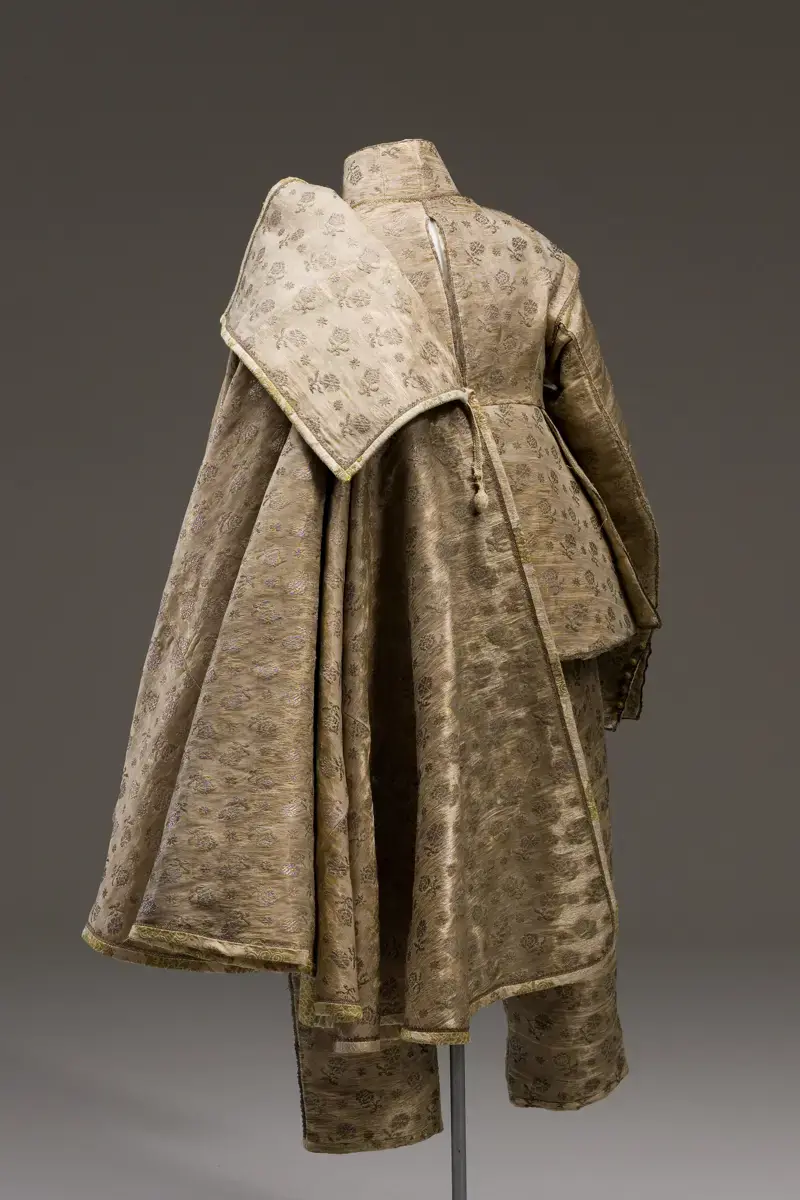
Costume of Prince-Elect Christian

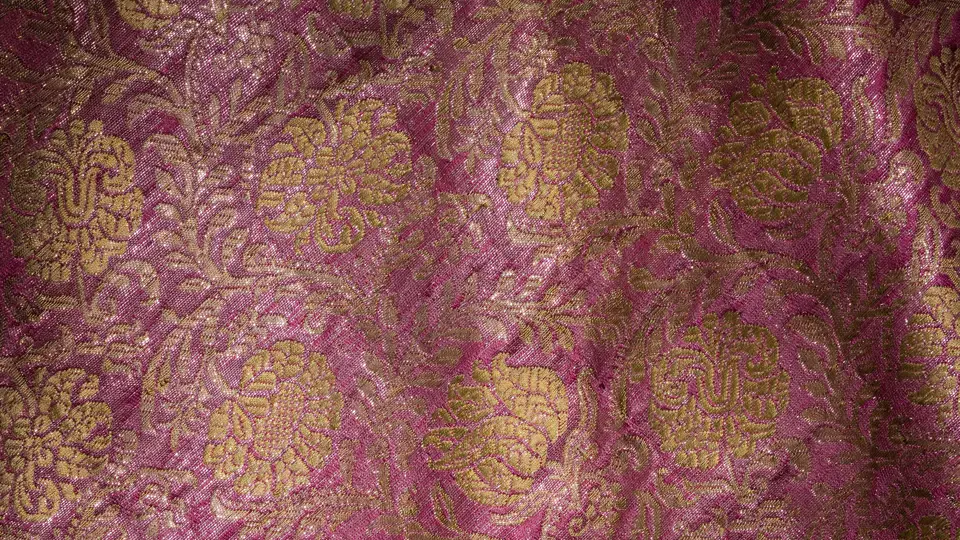
Floral gold brocade, comprising jacket, breeches, and cloak. Probably made in connection with the prince’s wedding in 1634. However, it is uncertain whether the costume was worn by the prince himself or by his younger brother, Duke Frederick.

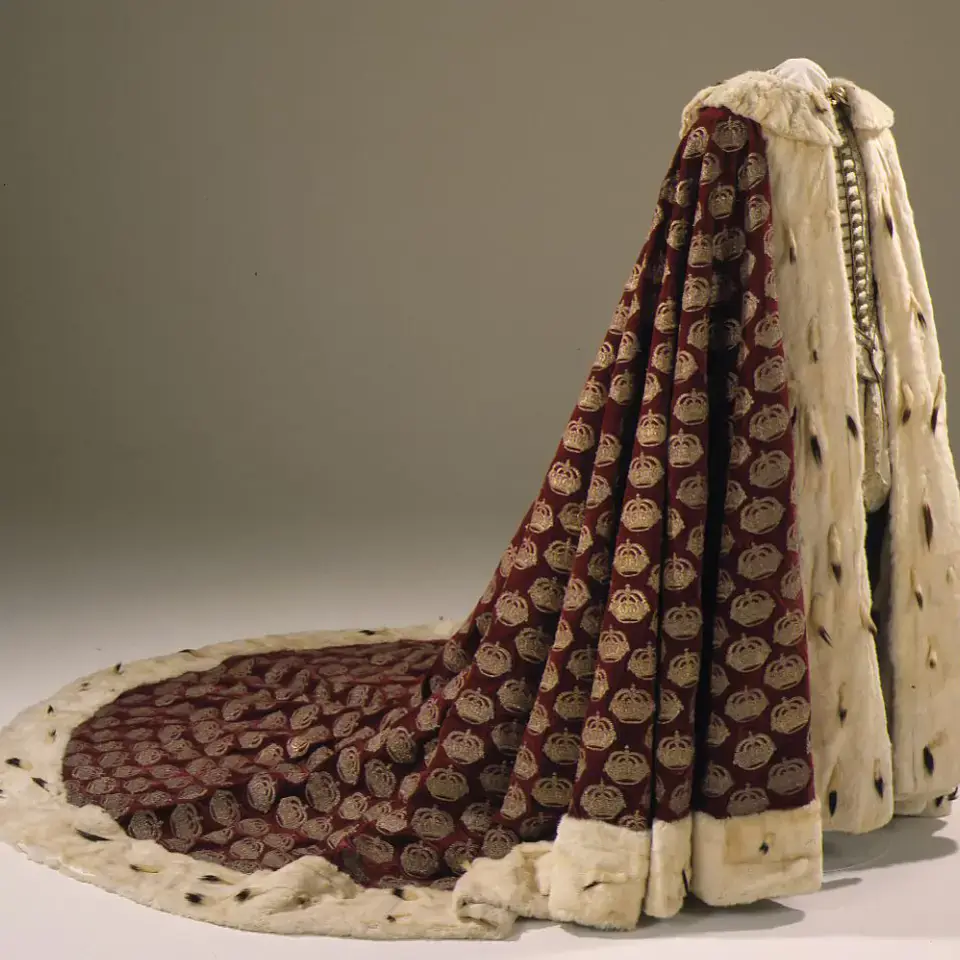
Christian 5.s salvingskåbe
Christian V’s anointing robe

Worn over the anointing attire was a long robe of dark red silk velvet. Approximately 1,400 embroidered gold crowns are attached to the robe. The robe was originally lined with ermine pelts, which were later replaced with rabbit fur.

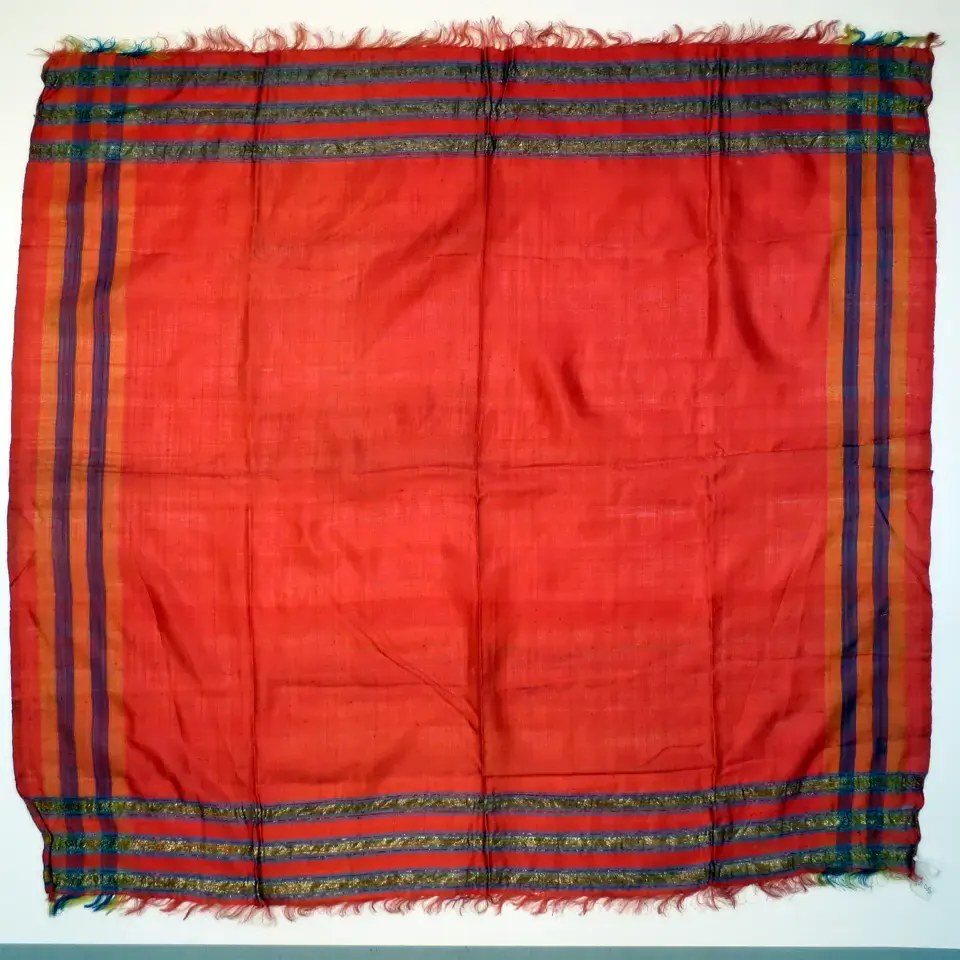
Frederik VII’s silk handkerchiefs, c. 1850

Used to wipe snuff from the mouth and nose. The strong colours helped conceal staining from tobacco, unlike white silk handkerchiefs.

Frederik III’s costume lined with red brocade, c. 1645

Three-piece outfit of black gold brocade, lined with red brocade. Comprising jacket, breeches, and cloak. The pattern features large flowers, and the fabric was probably woven in Italy.

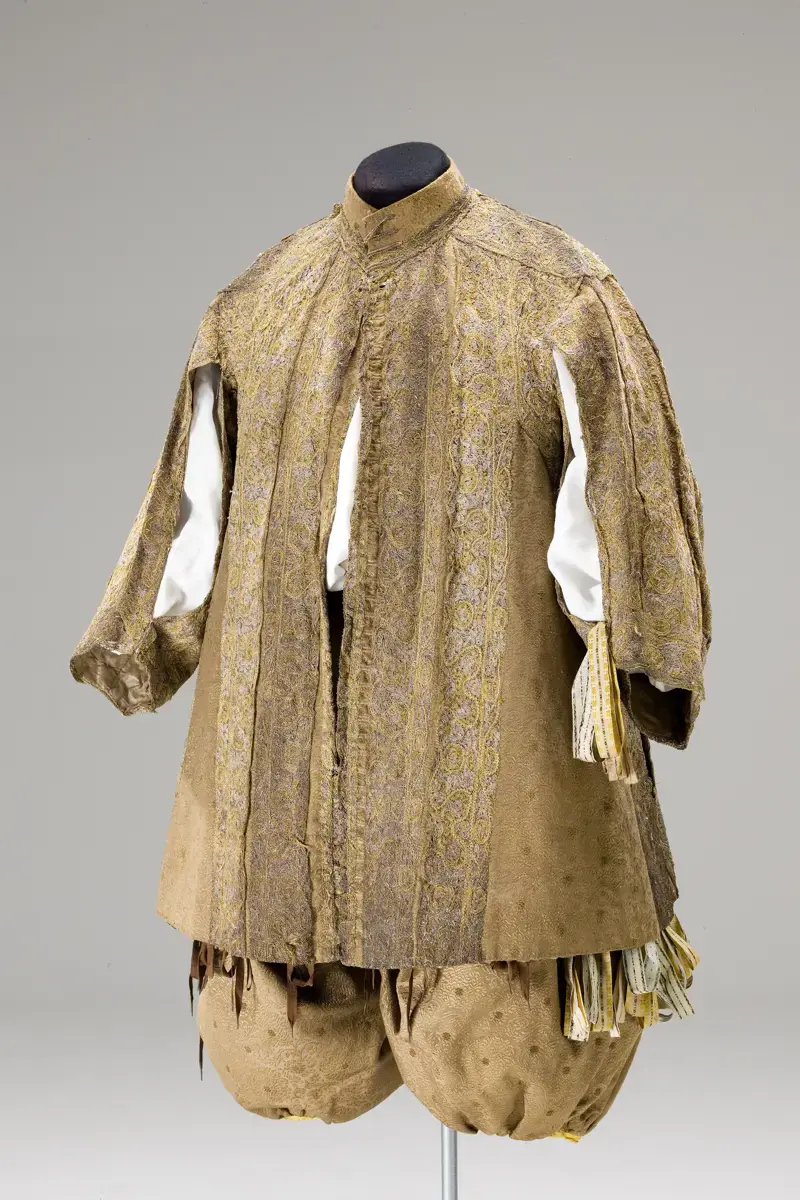
Frederik III’s two-piece silk costume, c. 1655–60

The breeches are short and full, worn over long stockings that were usually hidden by the large boots with wide turned-down cuffs. The colored silk ribbons are a surprising fashion detail.

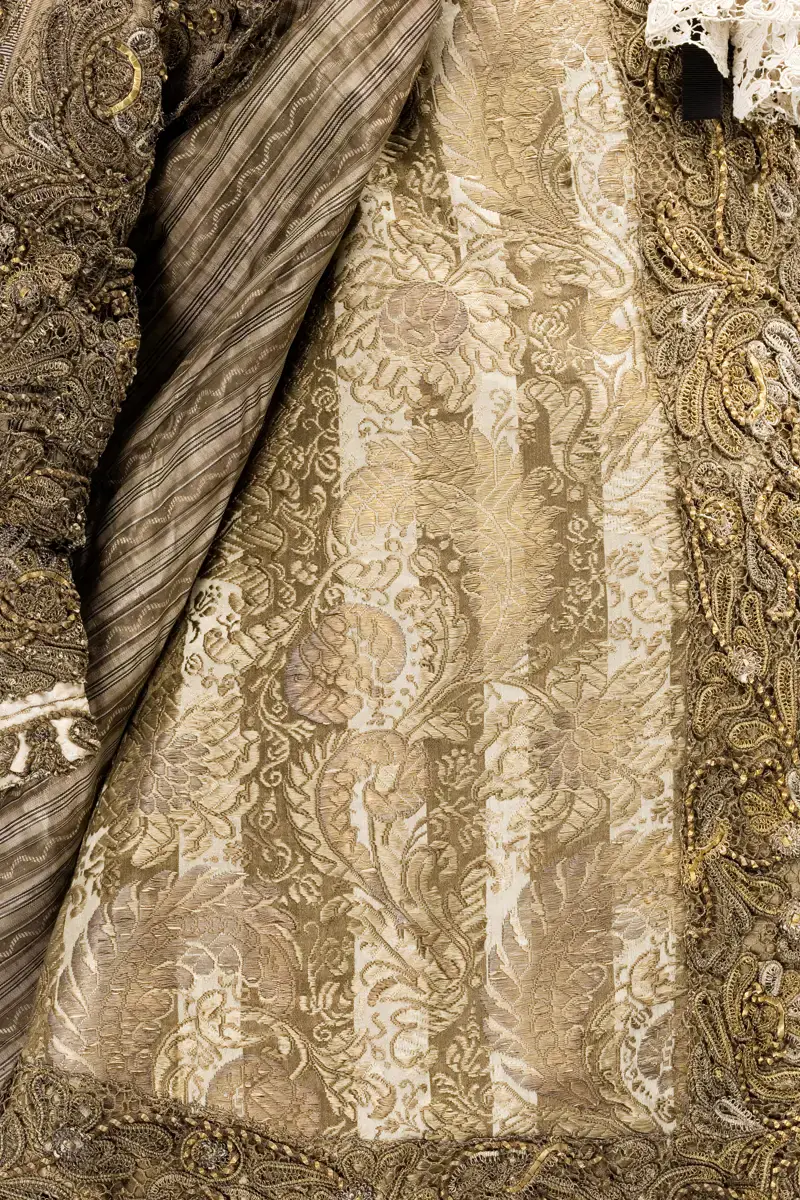
Frederik III’s costume, lining details, c. 1665–69

Many of the king’s outfits from his later years are fairly subdued in color, but one completely new feature was the stripes—following a French model.

Christian IV’s silk scarf, c. 1630–40

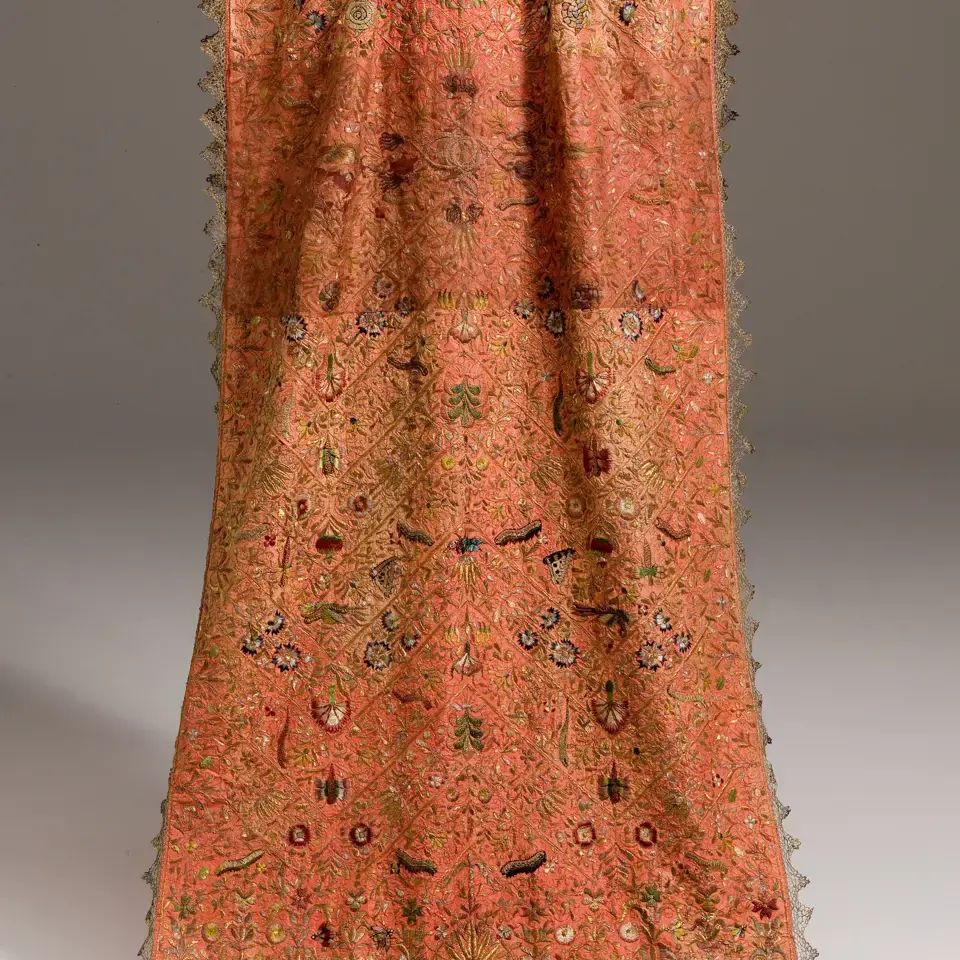
Embroidered silk scarf with gold lace along all edges. The bright salmon-colored silk was popular at court. Embroidered with natural motifs: leafy vines, gold and silver flowers, small birds and insects, spiders, worms, grasshoppers, and butterflies.

Ane Mærsk Mc-Kinney Uggla

Chair of the A.P. Moller Foundation, says, 

Rosenborg Castle contains the cultural-historical essence of Denmark and the Danish monarchy. New underground facilities will provide a thoughtful and dignified enhancement of the presentation of our shared royal history that relates to the castle and respects Kongens Have [the King’s Garden], one of Copenhagen’s loveliest green oases. The foundation is pleased to support these improvements, which will benefit the many visitors from near and far.

Jakob Engel-Schmidt

The Danish Minister for Culture, says:

Rosenborg Castle is an amazing place. It is a cultural-historical gem and home to the Danish crown jewels and regalia as well as a large collection of historical clothing, among other items. Since space is limited in the small castle, we are now investing heavily in new facilities that will enable the castle to welcome more visitors and display even more historical artefacts. This makes me enormously happy and proud.

Frank Rechendorff Møller

CEO of the Augustinus Foundation, comments, 

The preservation and communication of our shared cultural heritage enhance our cultural self-knowledge and pull us closer together. Both as a setting and by virtue of its content, Rosenborg Castle is a highly valuable and significant part of our national history. The project will help ensure that future generations too can experience the historic castle in an authentic and sustainable setting.

Thomas C. Thulstrup

Museum director of the Royal Danish Collection, says, 

The Kingdom’s Treasury marks a new chapter for the Royal Danish Collection. We will create a treasury that gives our visitors access to the principal artefacts of Danish royal history – centred around the crown jewels and regalia along with one of the world’s finest collections of historical royal clothing and ceremonial textiles. The new treasury will allow us to display many more treasures than now, including objects that are in storage today. Our goal is to present the history of the Danish monarchy in a setting that matches international standards.

The Danish crown jewels

This project is made possible by donations from