Woven Masterpieces
See some of Denmark’s most significant tapestries – works of art spanning more than 500 years that have been woven into the history of both power and people.

22 unique works bring threads, colors and stories to life.
A journey back in time
From contemporary tapestries to monumental masterpieces of the late Middle Ages, the exhibition explores the unique ability of tapestries to tell stories of power, religion, identity and everyday life and how materials, techniques and images vary in interaction with the development of society.
The exhibition features masterpieces that are held in Danish collections and examines the many roles and meanings of tapestries. From costly prestige objects reserved for royals and nobles to the 20th century’s more abstract, storytelling and popular art form. The display includes pieces from our own time created by contemporary artists who are reviving the craft and interpreting and renewing the tradition.
One thing remains unchanged: the many hours of work, the craftsmanship and the extravagance that are woven into every single piece.
A culmination of art and craftsmanship
‘Woven Masterpieces’ is a celebration of the exceptional craftsmanship of tapestry weaving. Each piece requires not just time and meticulous care but also a deep understanding of materials, tradition and artistic interpretation.
The exhibition presents pieces by artists from both Denmark and abroad
Martin Erik Andersen
Kirstine Roepstorff
Olivia Rode Hvass
Grayson Perry
Naja Salto
Bjørn Nørgaard
Ragna Braase
Inge Bjørn
Anna Thommesen
Grete Balle
Asger Jorn og Pierre Wemaëre
Jean Jacques Deyrolle
Henri Matisse
Joakim Skovgaard
Carl Larsson
François Boucher
Charles Le Brun
It also features rarely exhibited pieces from the Royal Danish Collection, including Persian tapestries, a precious coronation rug and one of the famous Rosenborg Tapestries.
The final section of the exhibition shows one of the impressive Kronborg Tapestries and the exceptional ‘Judge’ tapestry from the late Middle Ages – both of exquisite pieces, on loan from Danish museums.
Images of works
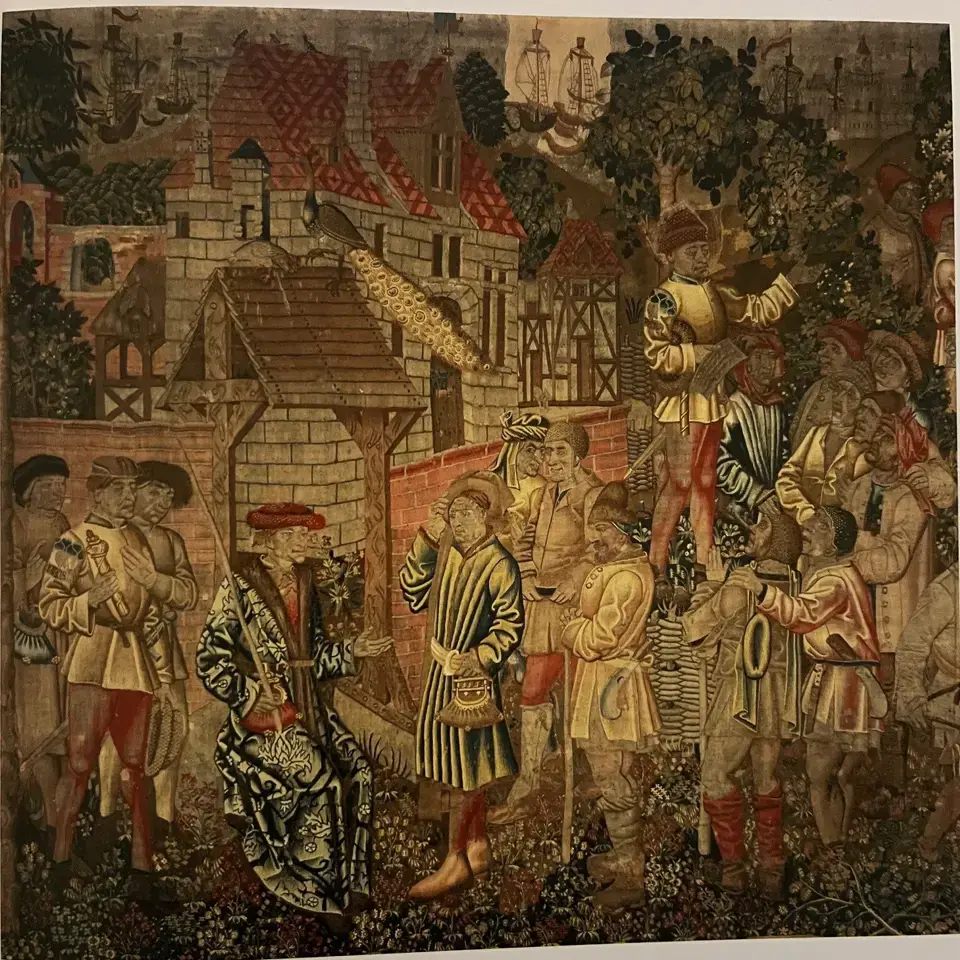
The Judge, unknown artist, ca. 1460–1475
One of the oldest and best-preserved tapestries in Denmark. Probably made in the southern Netherlands, a leading region of tapestry art during the late Middle Ages, it exemplifies the historical roots of tapestry making. Lent by Designmuseum Danmark
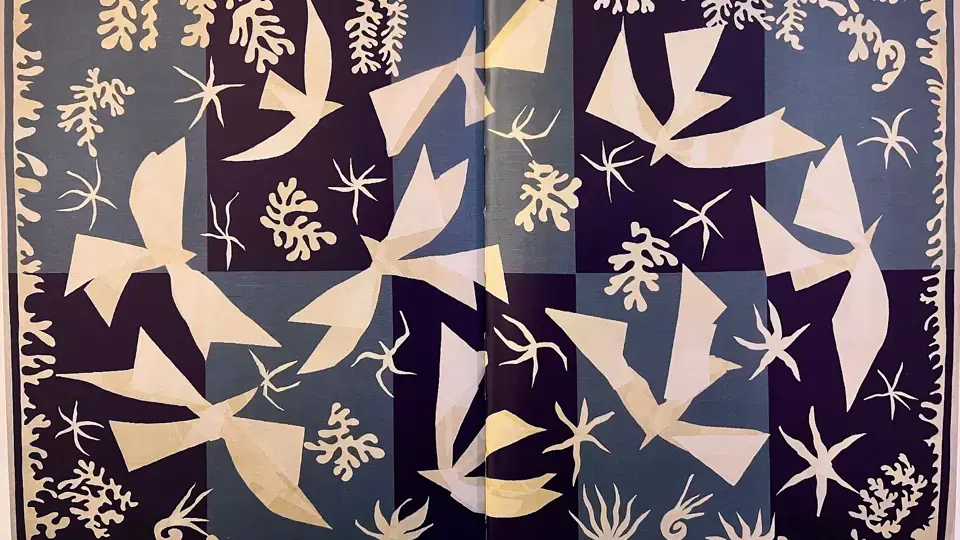
Henri Matisse: Polynesia – the Sky, 1950–1951
The image is based on Matisse’s iconic paper cuts, translated into a woven image at Manufacture des Gobelins. The tapestry demonstrates how an iconic modernist image can make the transition from paper to textile. Lent by Designmuseum Danmark
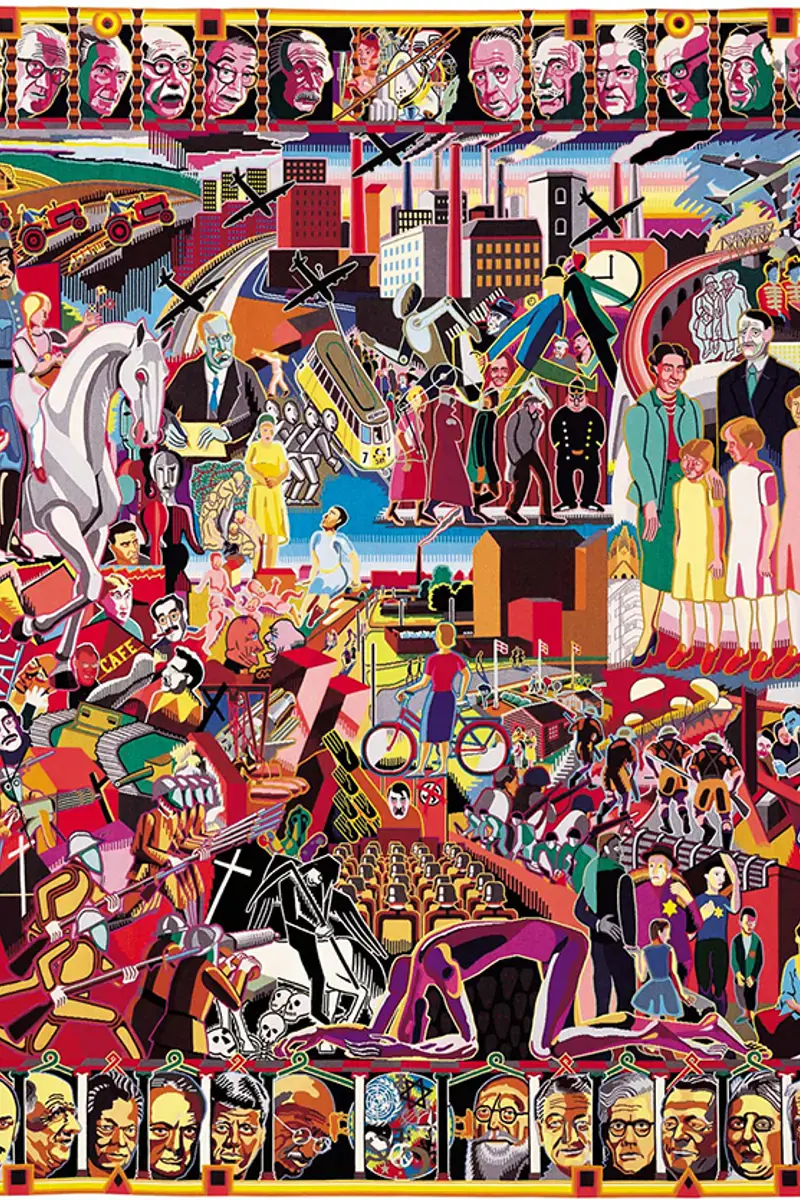
Bjørn Nørgaard: Late Glücksborgs, 1999
Created by Bjørn Nørgaard, the Late Glücksborgs tapestry portrays Denmark’s recent history through a jumble of figures and events from the 20th century. State property, lent by Christiansborg Palace, the Royal Danish Collection
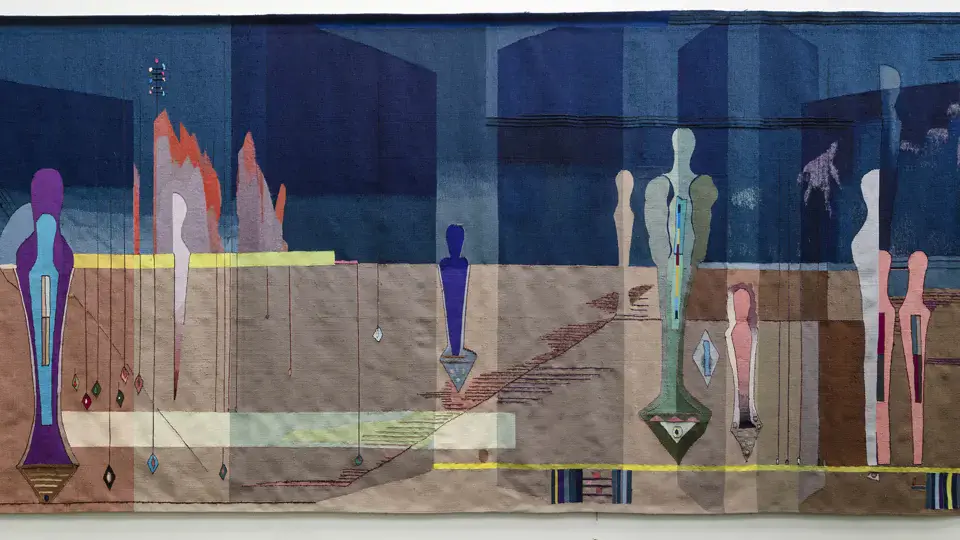
Kirstine Roepstorff: Renaissance of the Night, 2017
This piece illustrates how tapestries are still used to engage with important and existential topics and thus continue the long tradition of the art form. Here, darkness and the darker sides of life are key themes. Lent by Kvadrat A/S
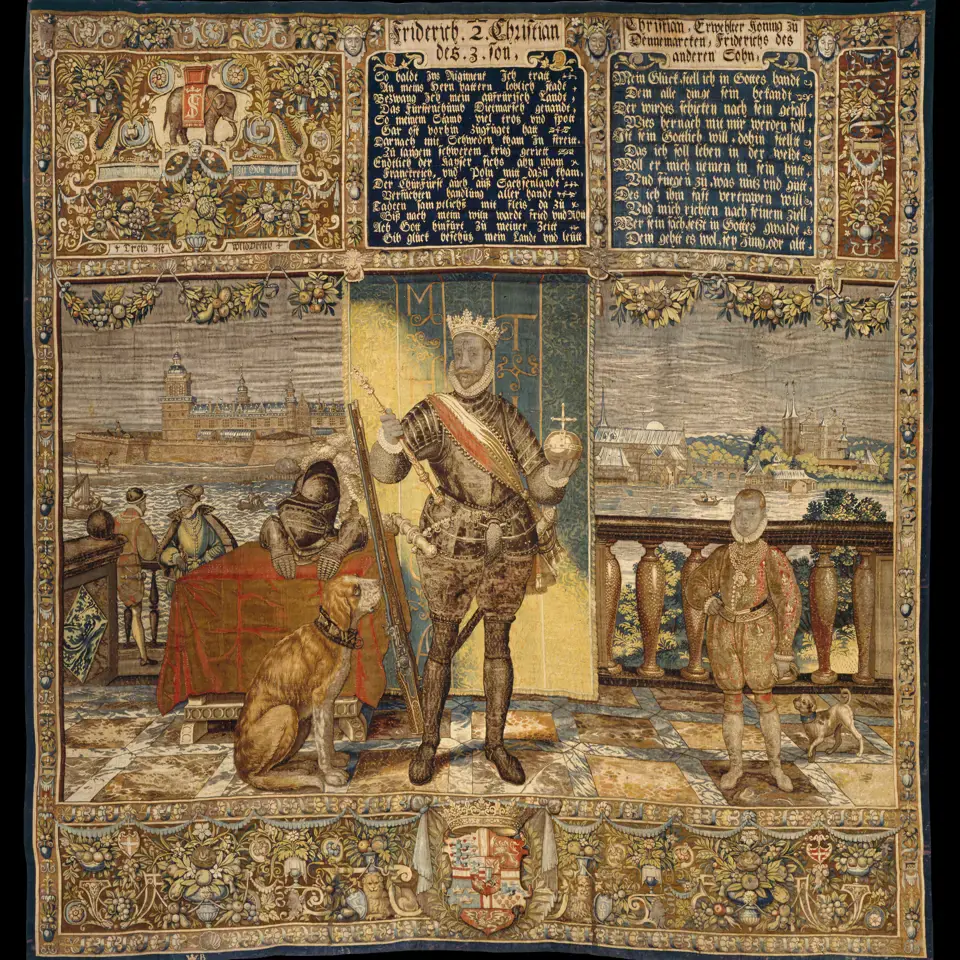
Hans Knieper: Frederik II with Christian IV as a child, 1581–1584
Part of the Kronborg Tapestries commissioned by Frederik II for Kronborg Castle. The series originally included 43 tapestries and presented an unbroken line of Danish kings up to Frederik II. Lent by the National Museum of Denmark
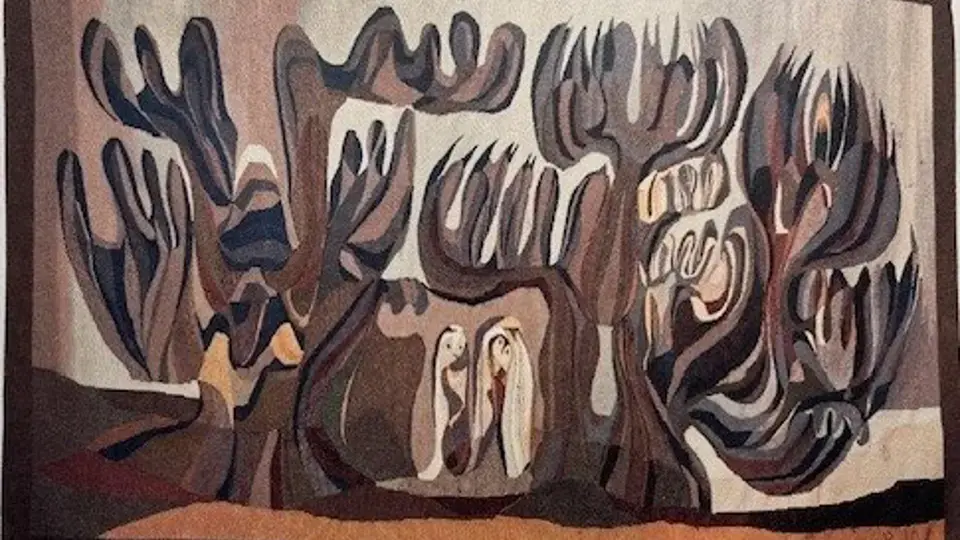
Asger Jorn and Pierre Wemaëre: Le Retour (The Return), 1948
This piece is the result of a collaboration with the collective process as its core focus. The artists challenged the practice of transferring a detailed sketch directly to the woven form. Lent by Vejen Art Museum, on permanent loan to Museum Jorn
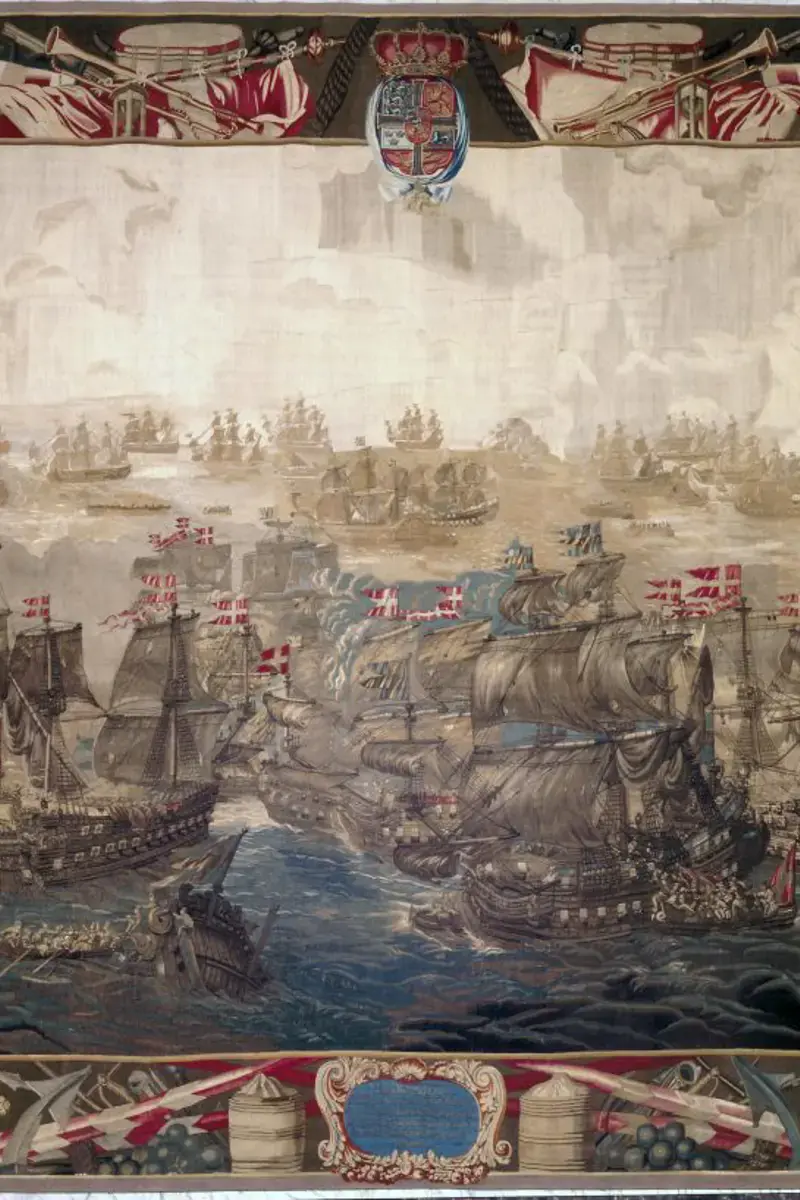
Bernt van der Eichen: Slaget i Køge Bugt (The Battle of Køge Bay), 1684–1693
This tapestry was originally commissioned by Christian V and serves as political propaganda. The woven image presents The King as a strong and magnificent warlord. Part of the Rosenborg Tapestries. The Royal Danish Collection
Attend events that expand on and add perspective to the exhibition
Through the "KGL Akademi", Slow Looking, Walk ’n’ Talks, concerts, weaving workshops and special thematic events, we invite you to engage with art, craft and history.
Among other activities, you can get close to the masterpieces in talks with artists and experts, meet the exhibition curator and designer, experience musical interpretations of the woven pieces and take part in the Tapestry Festival.


In Danish, tapestries made at the French royal factory Manufacture des Gobelins in Paris became known as ‘gobelins’.
The factory was founded in 1663 in the Gobelin family’s former dye works. Under Louis XIV, the ‘Sun King’, it soon became a leading European centre of tapestry weaving.
The factory produced exquisitely crafted tapestries for decorating French royal palaces and to be used as diplomatic gifts for royals and nobles throughout Europe. As such, they also found their way to Denmark.
In some languages today, the word ‘gobelin’ is used to refer to tapestries in general. This usage is testimony to the exceptional significance of the French factory in the history of tapestry weaving.